
 Certificate in Client Care Services
WRITTEN BY:
NATALIE WOOLLEY
BTrngDev, DipVET, DipVN (ECC & Surgical), ISFM AdvCertFB, Cert IV (VN & CGC), TAE, MHFA, RVN
PUBLISHED: 11 APRIL 2025
REVIEWED/ UPDATED: 29 OCT 2025

Breeding has been described as equal parts stress and fun – and they aren’t wrong!! The key to reduce the former and enhance the latter? Knowledge! Reproduction and neonatology in companion animals demands a solid grasp of anatomy, physiology and welfare considerations. Understanding these concepts is key to producing healthy, well-adjusted, pets and ensuring the wellbeing of all breeding animals.
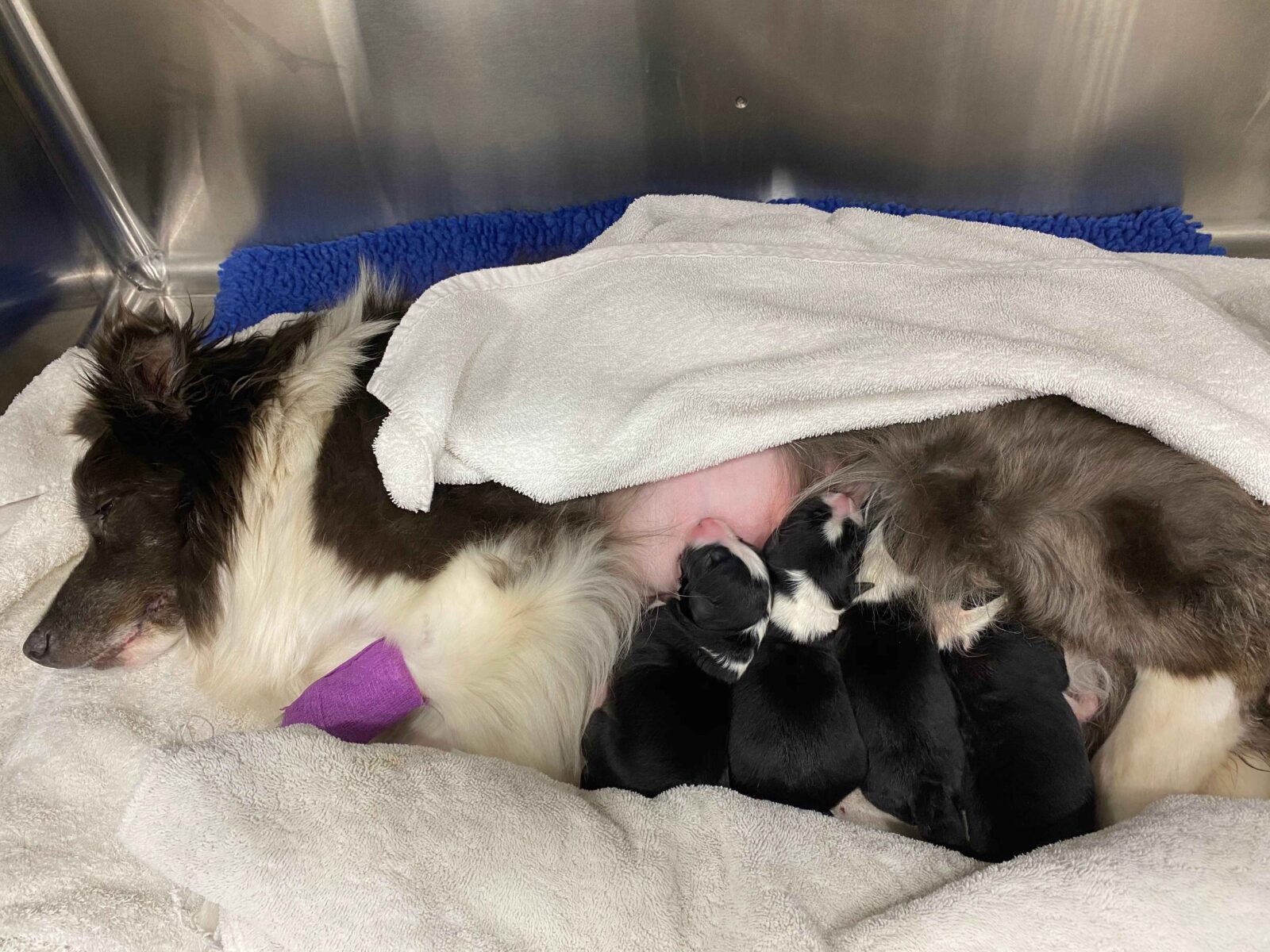
Anatomy & Breeding Behaviour
Successful breeding grows from understanding the reproductive anatomy, physiology and behaviours of dogs and cats. Each species has unique cues and signs to watch for during their breeding cycles to ensure safe, successful breeding. For example, bitches (female dogs) are non-seasonal monoestrus ovulators, with one estrus (heat) per cycle, and ovulate each time, they ‘flag’ and have defined behaviours associated with ovulation and optimal breeding time. In contrast, queens (female cats) are seasonal polyestrous induced ovulators, meaning they come into heat in response to environmental changes and can have many oestrus cycles in each breeding season. Additionally, mating stimulation is required to trigger hormone changes to induce ovulation. Without it, eggs are not released from the ovarian follicle. Cats in season exhibit lordosis which can be confused with pain.
Understanding the physiological baselines can enhance successful breeding and early detection of complications such as pyometra, vaginitis, strictures, or even paraphimosis in males.
Legislation & Ethical Considerations
Breeding of companion animals in Australia and many countries, is regulated to ensure the health and welfare of animals. All breeders must comply with legislation regarding breeding practices, including animal welfare standards, licensing, and genetic testing. The laws vary across the states of Australia, and then the breeding councils and registries have their own overlay of requirements for pedigreed animals. It is a complex field to negotiate before deciding to breed.
Breeds such as Burmese and Cavalier King Charles Spaniels should have cardiac screening prior to breeding to assess for heart disease, breeds with high incidence of hip dysplasia should undergo pre-breeding scoring with PennHip, CHEDS or OFA testing. Brachycephalic breeds should be scored and pass a respiratory function grading test.
Additionally, breeders and veterinary professionals must consider the emotional and ethical aspects of breeding. The welfare of the parents and their offspring is the absolute priority above profits, reputation, cost or time investments. This can often cause ethical and moral dilemma or conflict, and it takes considerable energy to ensure the right balance between what we want to do and what we must do for the animal’s best interests. Ethically, breeders and veterinary professionals should prioritise animal welfare above all other motivations and outcomes, with everyone committed to exceeding the minimum standards of animal welfare. For more on these ethical and emotional considerations, be sure to check out our article here.
Pregnancy & Parturition: What to Expect
Gestation lasts ~ 63 days in dogs and 65-67 days in cats, with some breed variation. Not every pregnancy goes to plan, effective monitoring of high-risk pregnancies may include serial progesterone tests, ultrasonography and hormone management in addition to the nutritional, exercise and environmental management needed for normal pregnancy.
Parturition has three distinct stages:
- Stage 1 – cervical dilation and initial uterine contractions to move the foetuses into the birth canal
- Stage 2 – active labour and delivery of the foetus
- Stage 3 – Expulsion of the placenta.
A clear understanding and plan to manage this process means that abnormal parturition can be detected early so that appropriate veterinary intervention can support successful, safe labour and delivery of the neonates.
Complications During Whelping/Queening & Postpartum Care
Complications such as dystocia, uterine inertia, foetal malpositioning or singleton syndrome need to be recognised ad responded to early. Do you know which breeds are at risk for difficult births due to cephalopelvic disproportion? Their narrow pelvis and large headed puppies can increase the risk of dystocia and need for caesarean deliveries.
Postpartum care focusses on the health of the mother to ensure she can care for her new neonates. Monitoring should include observation ad assessment of:
- Lochia characteristics
- Maternal bonding and behaviour
- Nutritional uptake
- Evidence of mastitis, eclampsia or metritis
Neonate Care
Post birth testing (APGAR assessments) can be provide rapid information about the short-term prognosis of neonates and can help prevent early death and neonate complications. Neonates are neurologically immature at birth and cannot thermoregulate. Additionally, puppies and kittens are altricial and require care to finish their development to independent animals. Whilst the dam or queen usually provides this, management and monitoring of purposefully bred animals is needed:
- Ambient temperature (29-31*C in the first week)
- Elimination assistance (to prevent constipation and ensure function of GI and urinary system)
- Colostrum intakes (for passive immunity)
- Weight and growth monitoring
Healthy neonates are active, they suckle vigorously, the ‘popcorn’ during REM sleep, and the absence of this can indicate serious complications – do you know the risks if they are not doing this?
Behavioural development varies across species. Puppies, being social species benefit from early handling and environmental enrichment programs. Kittens, being non-social, or non-obligate social species require appropriate management of stress during weaning for normal healthy development. Species specific socialisation ‘windows’ and needs must be understood to produce behaviourally stable and appropriate adults, for both maternally raised and hand raised neonates.
Control of Reproduction:
A Responsible Approach
Responsible breeding includes planned mating, health management and appropriate control of reproduction. There are now a range of surgical (ovariohysterectomy, ovary sparing spay, tubal ligation, vasectomy, castration) and pharmacological (GNrH agonists and antagonists) reproduction control can help better manage the health and welfare of breeding animals. There are WSAVA guidelines for this that can help you make informed choices.
want to learn more?
Take the Next Step in Your Reproductive Knowledge.
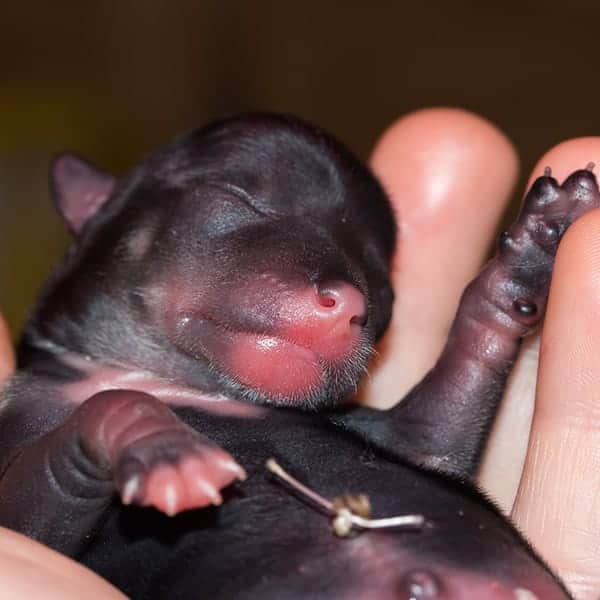
Small Animal Reproduction
ACVN SHORT COURSE
Are you ready deep dive into the physiology, pathology and care of breeding animals? Our Small Animal Reproduction Short Course is designed for vet nurses and breeders who want to elevate their breeding care with evidence-based, practical knowledge on all things reproduction.
Check it outAbout the author: View Natalie Woolley expert profile, qualifications and all articles
