
 Certificate in Client Care Services
WRITTEN BY:
NATALIE WOOLLEY
BTrngDev, DipVET, DipVN (ECC & Surgical), ISFM AdvCertFB, Cert IV (VN & CGC), TAE, MHFA, RVN
PUBLISHED: 21 MAY 2025
REVIEWED/ UPDATED: 29 OCT 2025

As vet nurses, we know feeding cats isn’t just about filling a bowl—it’s a chance to influence their physical health, mental wellbeing, and even their disease trajectory. Come with me as we explore the science behind feline mealtime behaviours and how targeted nutrition plays a pivotal role in managing complex conditions like cancer and chronic kidney disease (CKD).
Feline Feeding Behaviour:
More Than Just Preference
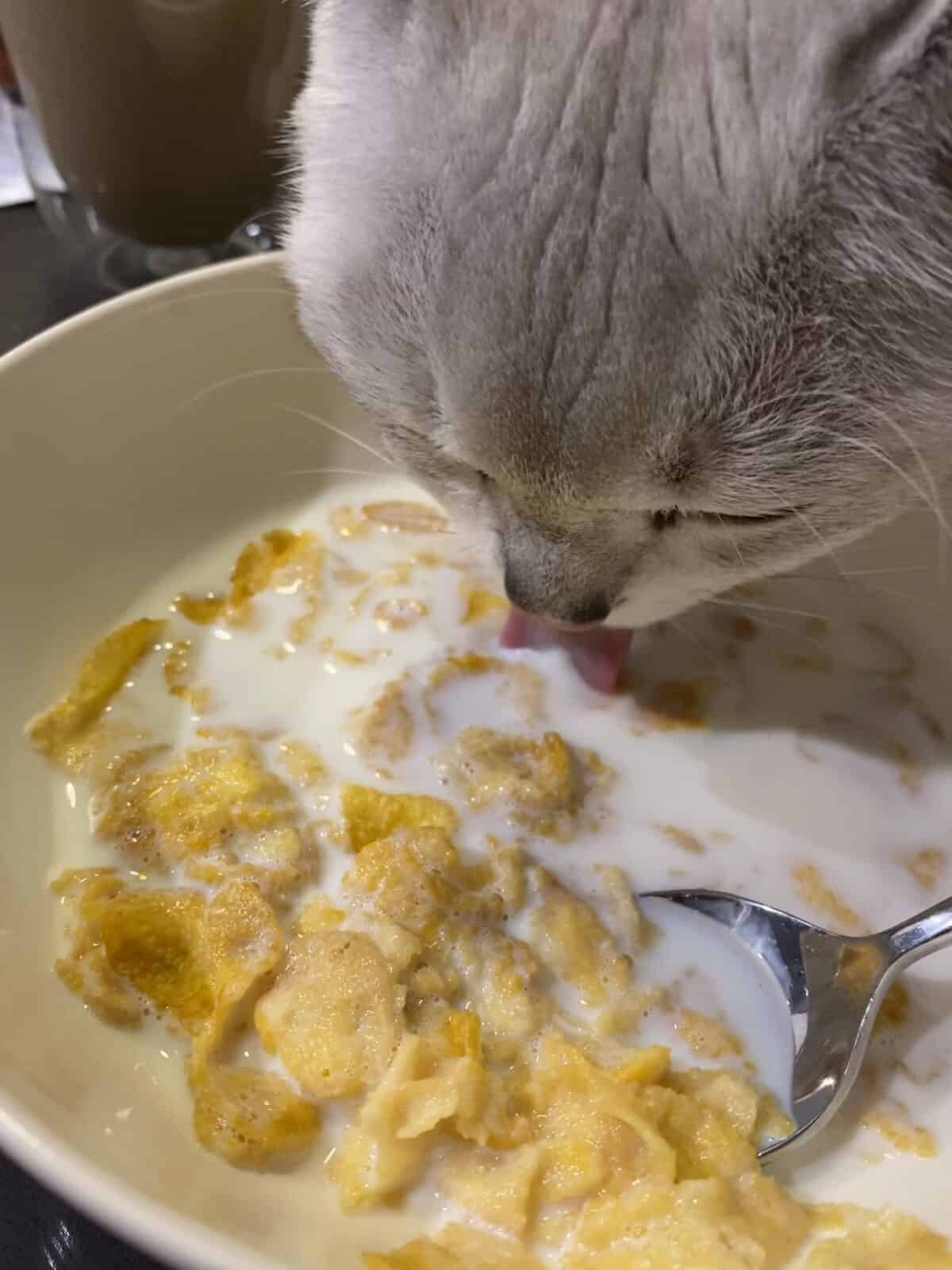
Cats are solitary hunters with finely tuned feeding strategies hardwired into their behaviour. They have evolved to stalk and pounce on small prey throughout the day. This evolutionary blueprint shapes their feeding behaviour, and we can help clients engage this in their homes for improved feline welfare and health.
The Five-a-Day Felix concept, developed by the International Society of Feline Medicine (ISFM), isn’t just a catchy title—it’s grounded in evidence-based understanding of feline behaviour, stress physiology, and environmental enrichment science.
So, why are five small, engaging feeding episodes per day recommended?
Natural Feeding Patterns:
Frequent, Small, and Solitary
When living without human interruption, cats hunt 8–10 small prey items daily, consuming small, protein-rich meals spread throughout a 24-hour period. This natural feeding rhythm supports:
- Stable blood glucose levels
- Satiety without overfeeding
- Reduced stress and frustration from unmet behavioural needs
By mimicking this in domestic environments, we align our care with natural feline physiology, to achieve positive effect for our cats:
Stress and Control:
The Hidden Impact of Routine Feeding
Predictable, once- or twice-daily feeding routines may be convenient for humans but can be psychologically disruptive for cats. A lack of opportunity to “work” for food or engage in predatory behaviour may lead to:
- Frustration-based behaviours like over-grooming or aggression
- Inappropriate toileting or house-soiling (linked to stress)
- Overeating or gorging when food is presented in a large quantity
By spreading feeding opportunities throughout the day—and embedding problem-solving or movement into the process—we restore a sense of control, autonomy, and engagement.
Cognitive Health & Behavioural Enrichment
Environmental enrichment is strongly linked to improved cognitive function and emotional resilience. Studies show that cats offered puzzle feeders:
- Are less likely to develop stress-related illness (e.g. FLUTD)
- Show fewer stereotypies (e.g. repetitive pacing, vocalisation)
- Exhibit improved body condition and weight management
Engaging the brain through feeding prevents behavioural stagnation and supports healthy ageing—especially in older cats.
Physiological Impact of Stress on Health
Chronic stress in cats leads to measurable changes in the hypothalamic-pituitary-adrenal (HPA) axis, increasing cortisol and triggering:
- Inflammation
- Reduced immune function
- Exacerbation of chronic illnesses (e.g., diabetes, renal disease, cystitis)
Frequent, enriching meals help buffer this stress response by engaging natural behaviours and enhancing environmental predictability in a species-appropriate way.
Paw Preference and Problem Solving
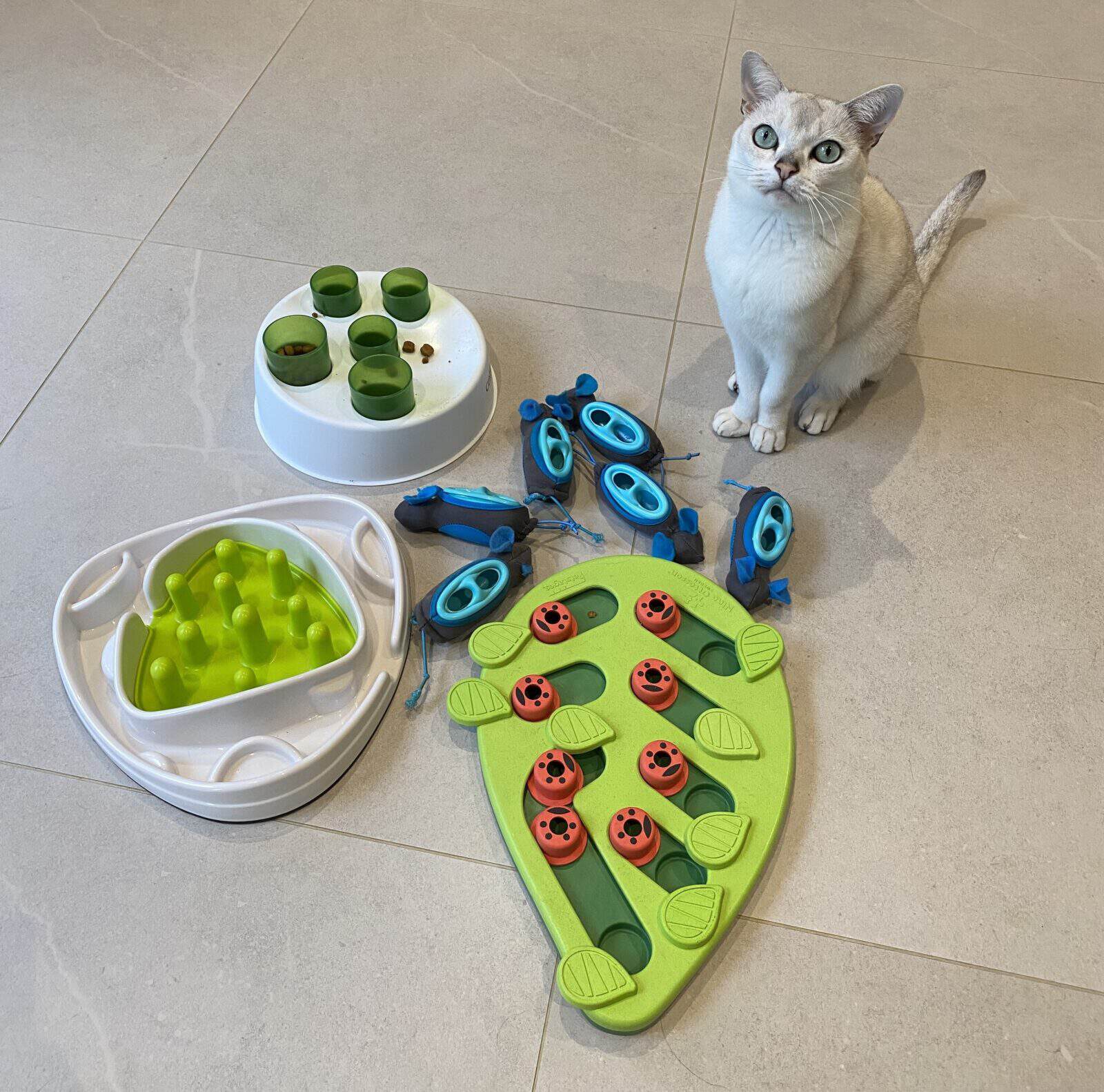
Many cats show paw dominance, using one paw more often to manipulate food or solve puzzles. Enrichment feeding strategies like puzzle feeders don’t just mimic hunting—they activate cognitive processes and fine motor skills, offering behavioural outlets and reducing boredom.
The Predatory Sequence
A complete hunting sequence—stalk, pounce, capture, kill, eat—is crucial for feline wellbeing. Domestic life often disrupts this chain, leading to frustration behaviours, over-grooming, or compulsive activity. Feeding strategies that restore this sequence (e.g., scatter feeding, food toys, and play-before-meal routines) help maintain emotional balance.
Social Sensitivities
Despite their tolerance of humans and other cats, felines remain obligate non-social species. Unlike canines, who are an obligate social species, sharing space—especially resources like food and water—can be a major stressor for our feline friends.
Control over resources is a key driver in stress reduction, especially in multi-cat environments. We advocate for following ISFM recommendations: providing separate, safe feeding spaces for each cat in a household to reduce stress and competition, which can lead to undereating, stress-related disease, or inappropriate toileting.
For multi-cat homes, advise owners to:
- Provide multiple feeding stations in different locations—out of sight and smell range of other cats.
- Avoid group feeding. Cats prefer privacy when eating.
- Watch for resource guarding, silent bullying – sitting in doors or blocking thoroughfares, meal skipping—these subtle signs of stress often go unnoticed.
- Create vertical and horizontal feeding options. Feeding one cat higher up and another at floor level helps avoid conflict.
This tailored approach prevents tension, reduces stress-related illness (like cystitis), and supports healthy feeding behaviours.
Feeding Enrichment in the Clinic
Hospitalisation can be one of the most stressful experiences in a cat’s life – there is a complete lack of agency and control over their environment, which can be extremely difficult for cats to cope with. Incorporating feeding behaviours into daily nursing care can help reduce stress and promote recovery.
Here’s how you can apply feline-friendly feeding in the clinic:
- Offer multiple feeding methods: low sided bowl or plate, puzzle feeder, spoon feeding, food hidden in snuffle mat or boxes, feed up on a shelf, play with a toy then feed.
- Use familiar or preferred foods where appropriate. Talk to their owners and find out what they usually like to eat.
- Allow privacy: Avoid feeding when dogs are barking or too many people are nearby. Block visual access to other cats around the food bowl.
- Place bowls in the middle of the cage: Cats like to keep an eye on the world while they are eating. It is a time of vulnerability, they don’t feel safe if their head is stuck in the back corner and they can’t see what might be coming. They are constantly assessing threats and risk.
- Try scent enrichment: Warming food or offering a familiar scent (like their own blanket) can boost appetite.
- Track and document food preferences: This helps tailor the approach and gives owners useful insight post-discharge.
We can use these strategies as client education tools: showing how puzzle feeders or scatter feeding work can inspire owners to do the same at home.
Clinical Nutrition as First-Line Support
Feeding behaviours set the foundation. When we support a cat’s natural instincts—encouraging them to stalk, chase, and “work” for their meals—we’re not just enriching their lives, we’re setting the stage for better engagement with food overall. Once we’ve created the right way to feed, we also need to consider what we’re feeding – for many of our patients nutrition is not just about sustenance, its part of disease management.
Feeding the right clinical diet can be therapeutic—especially in diseases that place a heavy burden on the quality of life. If we can advocate for the right diet to support health, presented in the right way to support welfare, we have the ability to dramatically improve the welfare of our feline patients both in clinic and at home.
As nurses we know that therapeutic diets can:
- Extend life
- Decrease inflammation
- Reduce incidence or severity of illness
- Improve muscle mass and mobility
- Decrease reliance on prescription medications
- Decrease incidence and duration of hospital stays
The narrative we use around the value of these therapeutic and prescription diets can have a huge impact on the successful implementation of these in the care of our patients. How are you framing the conversation of therapeutic diets?
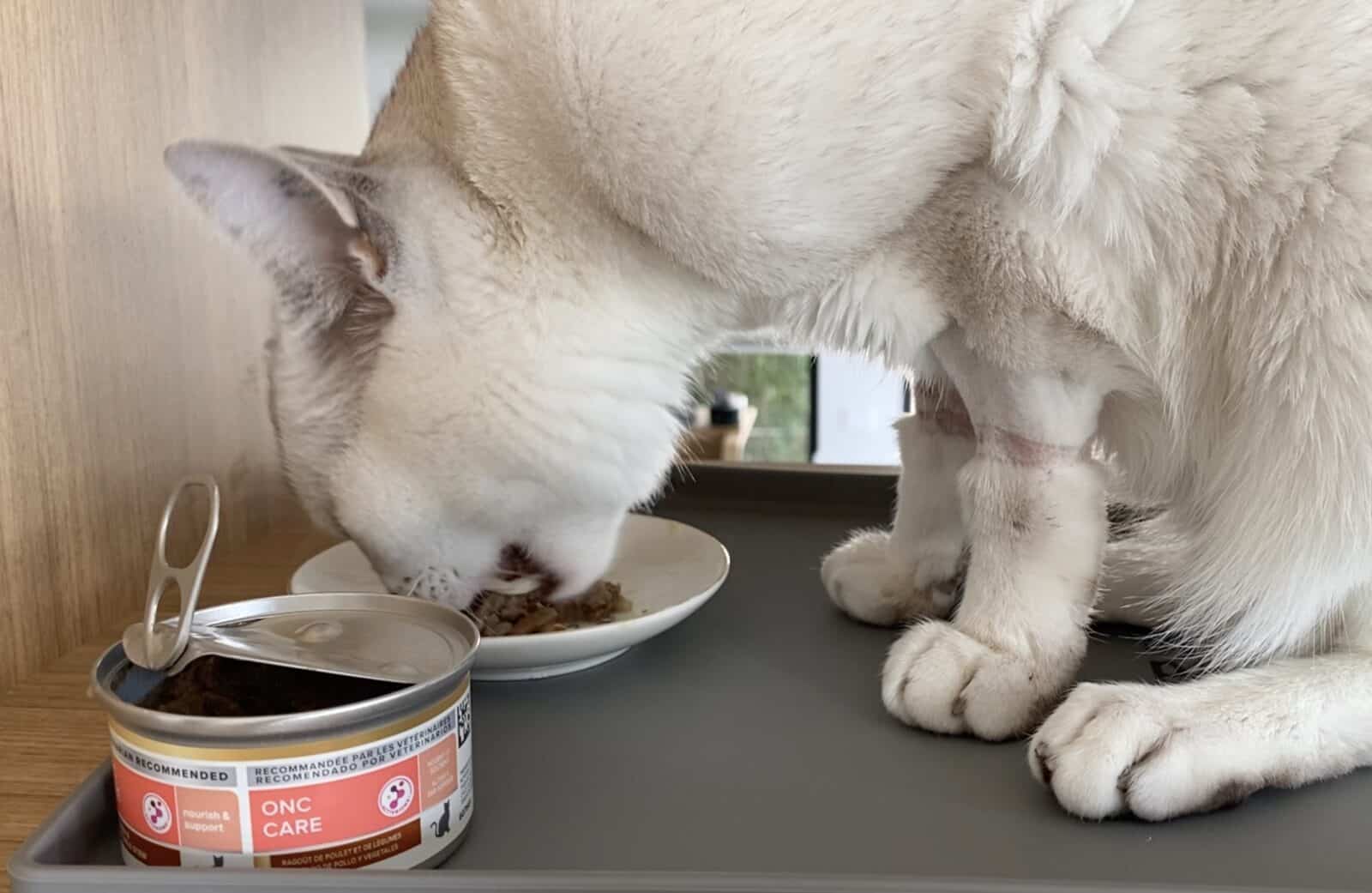
Are you talking about prescription diets like a last resort? As “just food”? Are you avoiding the conversation completely, because it feels uncomfortable? Or are you recognising and communicating their real clinical power?
In many cases, the right diet is the treatment. It can slow disease progression, reduce or eliminate the need for medications, prevent complications, and improve quality of life. That’s worth talking about with energy and confidence.
Many clients’ associate nutrition with the act of providing food—not treatment. As vet nurses, we’re in a key position to reframe nutrition as a medical intervention.
We can also acknowledge the barriers – name them so we can work at overcoming them.
- Therapeutic diets are more expensive than supermarket brands.
- They require a shift in purchasing habit and cost expectations
- Clients may need to change how they feed their cat
- Some cats may need existing eating behaviours retrained or modified.
- There needs to be deeper conversations about the goals of care.
But if we position the diet as part of the bigger picture—not just what the cat eats, but how they live, how they feel, and how they recover—then it becomes much more than kibble in a bowl. It becomes a proactive healthcare decision that benefits the welfare of the cat.
Here are some thought-starters for your next conversation with an owner:
“This food supports your cat’s kidneys in the same way medication might, but with fewer side effects.”
“We’ve got a real opportunity here to help manage this condition using nutrition, which means better comfort and potentially fewer vet visits in the long run.”
“It’s not just about protein levels—this food is formulated to support muscle maintenance, hydration, and appetite, especially as your cat gets older.”
And finally—how do we as nurses feel about these diets? If we truly understand their value and see their impact in practice, we’ll talk about them differently. Our belief in their importance directly shapes how owners receive that message. We don’t need to be nutritionists to be strong advocates. We just need to be curious, informed, and confident that what we’re recommending can make a difference.
Practical Takeaways for Veterinary Nurses
- Assess feeding behaviour during routine care and hospital updates—ask about food routines, preferences, and use of enrichment.
- Recommend puzzle feeders or scatter feeding, especially in indoor cats.
- Encourage 5 small, interactive meals daily -> particularly in cats with obesity, FLUTD, or anxiety.
- Explain the clinical and health benefits of therapeutic diets using simple, client-friendly language.
- Stay up to date on new diets and advances in feeding behaviour
- Collaborate with your vet team to include nutrition in the broader treatment plan—and help the client see the value.
By understanding how cats want to eat and combining that with the right diet, we give them more than calories—we give them comfort, control, and better health outcomes. Now that’s powerful nursing.
References:
Dantas, L. M. S., Delgado, M. M., Johnson, I., & Buffington, C. A. T. (2016). Food puzzles for cats: Feeding for physical and emotional wellbeing. Journal of Feline Medicine and Surgery, 18(9), 723–732. https://doi.org/10.1177/1098612X16643753
want to learn more?
Check out these useful links to help grow what you know:
Journal of Feline Medicine and Surgery Article: Feline Feeding Programs: Addressing behavioural needs to improve feline health and wellbeing

Animal Nutrition
ACVN SHORT COURSE
Our short course will help build your knowledge of nutrition in all your favourite patient species.
Check it outAbout the author: View Natalie Woolley expert profile, qualifications and all articles
